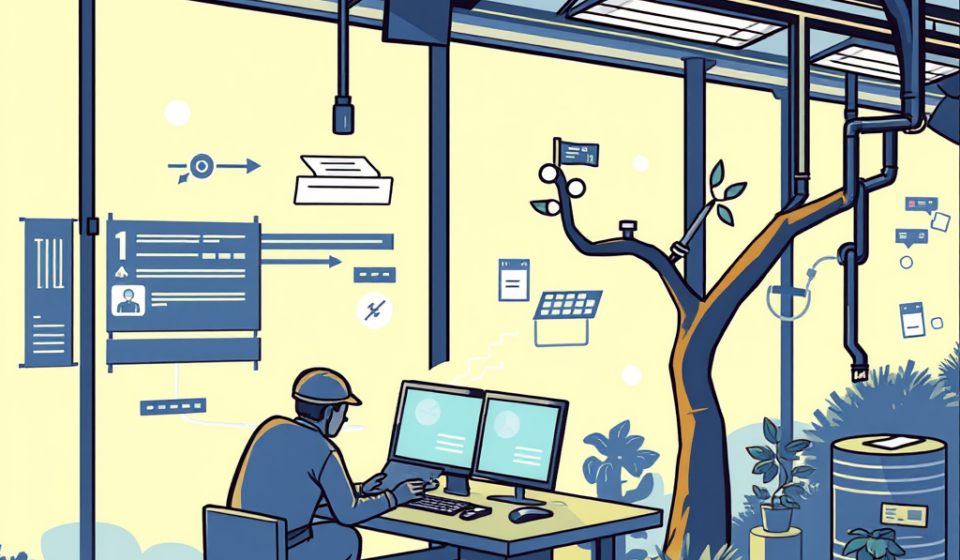

Welcome to our latest guide on modern IT infrastructure and security. Today, we examine worker previews and why isolated preview environments matter for your development pipeline.
Modern engineering teams face a constant pressure to ship updates faster while maintaining rigorous security controls. Autonomous coding agents and automated deployment pipelines accelerate this pace exponentially. However, introducing automated changes directly into production or shared staging branches invites catastrophic security flaws and infrastructure instability. Security practitioners need granular visibility and strict isolation before code touches sensitive systems.
Cloudflare tackles this challenge head-on by introducing isolated preview environments for every modification your agent or developer introduces. Drawing inspiration from official insights at Cloudflare Worker Previews, this deep dive explores how ephemeral infrastructure secures your deployment workflows. Additionally, developers can explore advanced techniques within our cybersecurity resource hub.
Understanding Worker Previews and Isolated Environments
Traditional staging servers often become bottlenecks. Multiple developers or autonomous agents push conflicting patches to a single shared environment, creating state pollution and race conditions. Worker previews eliminate this friction by spinning up ephemeral, isolated sandboxes for every distinct change.
Every time an agent commits code, the infrastructure provisions a dedicated runtime instance. This ensures that experimental patches never interfere with ongoing testing or production traffic. Furthermore, security teams can audit network requests and memory usage within a confined boundary.
The Architecture of Worker Previews
At its core, this architecture relies on lightweight virtualization and edge routing. When an update triggers, the control plane allocates a unique subdomain pointing to a dedicated worker instance. Network isolation rules block unauthorized egress traffic while allowing specific API integrations.
Developers can test database migrations, API changes, and frontend updates simultaneously without cross-contamination. Consequently, debugging becomes significantly simpler because logs remain strictly tied to a single change set. This setup aligns with zero-trust principles advocated by security frameworks like those found at CISA.
Why Worker Previews Matter for Autonomous Agents
Autonomous coding agents generate code rapidly. Without rigorous preview mechanisms, these agents might execute unsafe system calls or expose sensitive environment variables. Worker previews act as a mandatory containment layer for machine-generated code.
Because these environments spin down automatically after testing, attack surfaces shrink drastically. Security teams gain peace of mind knowing that unverified agent modifications reside in temporary sandboxes rather than permanent servers.
Implementing Worker Previews in Your Security Pipeline
Deploying isolated environments requires careful planning around authentication secrets, database access, and network policies. Organizations must configure their CI/CD pipelines to ingest preview URLs automatically for review.
First, map out your authentication flows. Preview environments should require secure tokens or VPN access to prevent public reconnaissance of unfinished features. Second, use mocked databases or ephemeral database branches to prevent data leaks during testing.
Best Practices for Secure Preview Workflows
Security practitioners should enforce strict time-to-live limits on all preview instances. Stale environments represent forgotten attack vectors that malicious actors might exploit. Automated teardown scripts solve this vulnerability effectively.
Additionally, monitor resource consumption across all active worker previews. Sudden spikes in CPU or memory usage often indicate infinite loops in agent-generated code or unauthorized cryptomining attempts. Proactive monitoring safeguards your cloud budget and infrastructure integrity.
Conclusion
Worker previews represent a monumental leap forward in securing modern software delivery pipelines. By isolating every agent modification into a dedicated sandbox, engineering teams maintain velocity without compromising security. Implement these strategies today to safeguard your infrastructure against unverified code changes.