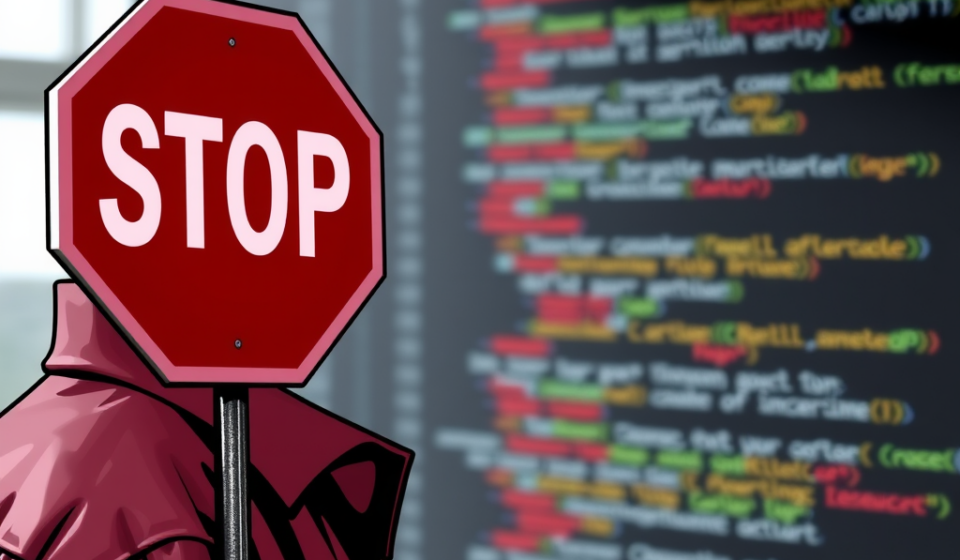

Stop rewriting stable code is vital for enterprise IT infrastructure. Engineering teams often waste countless hours refactoring functional applications. Meanwhile, technical debt grows exponentially across modern cloud environments.
Modern organizations face relentless pressure to innovate quickly. Yet, developers frequently abandon working software to pursue trendy frameworks. This practice drains budgets and stalls critical product delivery timelines.
Infrastructure leaders must protect their bottom line and developer velocity. Smart resource allocation stops unnecessary rewrites and accelerates software release cycles. Consequently, businesses maintain a competitive edge without burning out engineering talent.
Stop Rewriting Stable Code for Better ROI
Enterprise technology investments demand rigorous financial discipline. When engineering groups rewrite working applications without business justification, capital evaporates. Leaders must evaluate the actual return on investment before greenlighting modernizations.
Legacy software often works reliably despite outdated syntax. Replacing stable systems introduces unprecedented operational risks and security vulnerabilities. Therefore, maintaining proven architectures preserves capital for genuinely transformative projects.
Why Stop Rewriting Stable Code Protects Budgets
Financial controllers track every dollar spent on software development. Rewriting functional code incurs massive opportunity costs across the organization. Engineering hours spent on needless refactoring could build new features instead.
Organizations must audit their codebases to identify stable components. By protecting these assets, firms safeguard profitability and maximize resource efficiency.
Enhancing Developer Velocity Through Smart Engineering
Developer velocity dictates how fast companies ship new features. When teams spend weeks refactoring stable code, morale plummets. Engineers prefer building innovative solutions rather than rewriting working systems.
Platforms like Lightwell provide modern abstraction layers. These tools bridge legacy systems and new cloud environments seamlessly. Thus, developers focus on business logic instead of infrastructure plumbing.
Embracing Lightwell for Sustainable Infrastructure
Enterprise infrastructure requires stability and scalability in equal measure. Lightwell empowers organizations to extend the lifespan of existing software assets. Teams avoid risky migrations while adopting modern deployment pipelines.
Engineers gain unprecedented clarity into system dependencies and performance metrics. This visibility prevents accidental breakage of functional microservices during updates.
Optimizing Workflows with DevOps Practices
Robust DevOps automation complements modern integration platforms effectively. Automated testing suites verify legacy code behavior before production releases. Hence, teams deploy updates confidently without rewriting underlying architectures.
To learn more about optimizing your technical workflows, explore our DevOps tag for expert insights.
Conclusion
Stop rewriting stable code to safeguard enterprise budgets and developer velocity. Embracing proven tools like Lightwell prevents wasteful engineering cycles. Prioritize strategic innovation, protect operational margins, and empower your technical teams today.