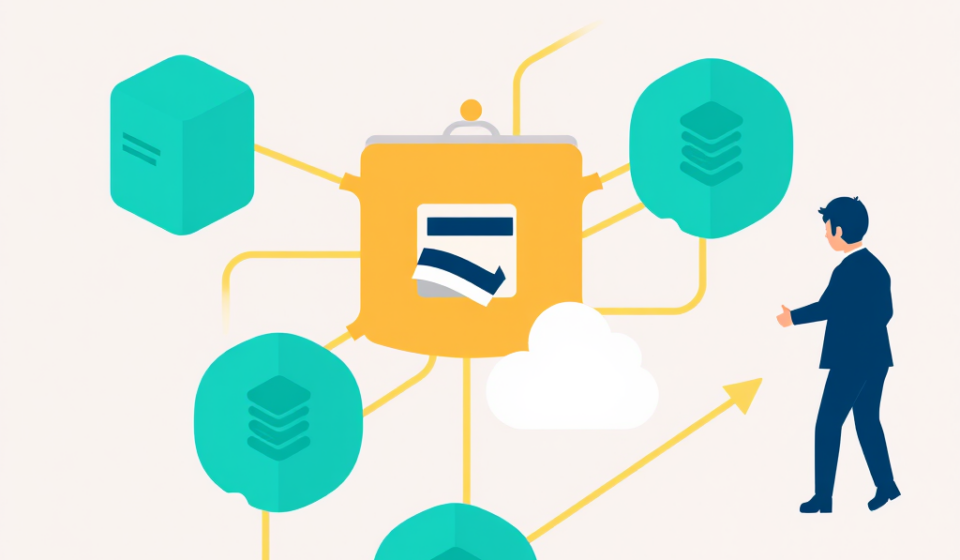
Automated Node Recovery in Higher Education Virtualization

Modernizing virtualization in higher education is crucial for academic continuity. Universities face rising security threats and complex data management challenges today.
Understanding Automated Node Recovery in Modern Higher Education IT
Higher education institutions manage massive volumes of sensitive research data, student records, and intellectual property daily. Legacy infrastructure often fails to handle sudden hardware failures or sophisticated cyberattacks effectively. Modernizing virtualization platforms helps IT teams maintain continuous uptime and robust security postures.
Transitioning from proprietary hypervisors to open enterprise platforms reduces licensing costs significantly. Moreover, these flexible architectures empower IT staff to automate critical maintenance tasks without disrupting daily campus operations. Administrators can finally focus on strategic innovation rather than constant firefighting.
The Core Mechanics of Automated Node Recovery
When underlying hardware fails, downtime severely impacts campus productivity and research deadlines. Automated node recovery resolves this challenge by instantly detecting host failures and migrating workloads to healthy nodes. Red Hat explores these robust strategies in detail within their guide on modernizing virtualization in higher education.
Traditional recovery workflows require manual intervention, leading to extended service outages and human error. Automated systems eliminate these bottlenecks through intelligent scripting and pre-configured failover policies. Consequently, virtual machines resume operations within seconds, safeguarding mission-critical learning management systems.
Protecting Data Integrity Across Distributed Academic Networks
Data corruption remains a persistent threat during unexpected server crashes or power surges. Automated recovery protocols integrate with advanced distributed storage fabrics to ensure transactional consistency. Check out our Cybersecurity section for more insights on protecting institutional assets.
Checksum validation and real-time replication prevent silent data loss during failover events. Furthermore, encrypted migration channels protect sensitive information from interception by malicious actors. Academic networks thus achieve both high availability and uncompromised regulatory compliance.
Implementing Resilient Infrastructure Strategies for Universities
Deploying automated resilience requires careful planning, stakeholder alignment, and incremental rollout phases. IT directors must assess existing hardware capabilities before introducing advanced orchestration layers. Establishing clear recovery time objectives ensures realistic performance expectations across all departments.
Collaboration between faculty researchers and system administrators guarantees that specialized high-performance computing workloads remain protected. Regular disaster recovery drills validate the effectiveness of automated failover scripts under simulated stress conditions. Continuous monitoring tools provide deep visibility into cluster health and resource utilization metrics.
Overcoming Budgetary Constraints and Legacy Hurdles
Public universities often operate under strict budgetary limitations that restrict hardware upgrades. Open-source virtualization alternatives offer enterprise-grade reliability without prohibitive annual licensing fees. Institutions redirect saved capital toward expanding research infrastructure and hiring specialized security personnel.
Migrating legacy virtual machines requires automated conversion tools to minimize downtime during cutover windows. Phased migration strategies allow IT teams to test failover mechanics in staging environments first. Thorough documentation ensures institutional knowledge remains intact despite staff turnover.
Future-Proofing Academic IT with Intelligent Automation
Emerging technologies like machine learning will soon predict hardware failures before they occur. Integrating predictive analytics with automated node recovery will elevate campus uptime to unprecedented levels. Universities will secure their digital futures against increasingly sophisticated cyber threats.
Proactive maintenance schedules reduce wear and tear on enterprise server racks significantly. Ultimately, resilient virtualization architectures empower academic institutions to fulfill their educational missions without interruption.
Conclusion
Modernizing higher education IT infrastructure ensures seamless academic delivery and robust data protection. Implementing automated node recovery eliminates costly downtime and preserves vital institutional research. Upgrade your campus systems today to secure long-term digital resilience.


