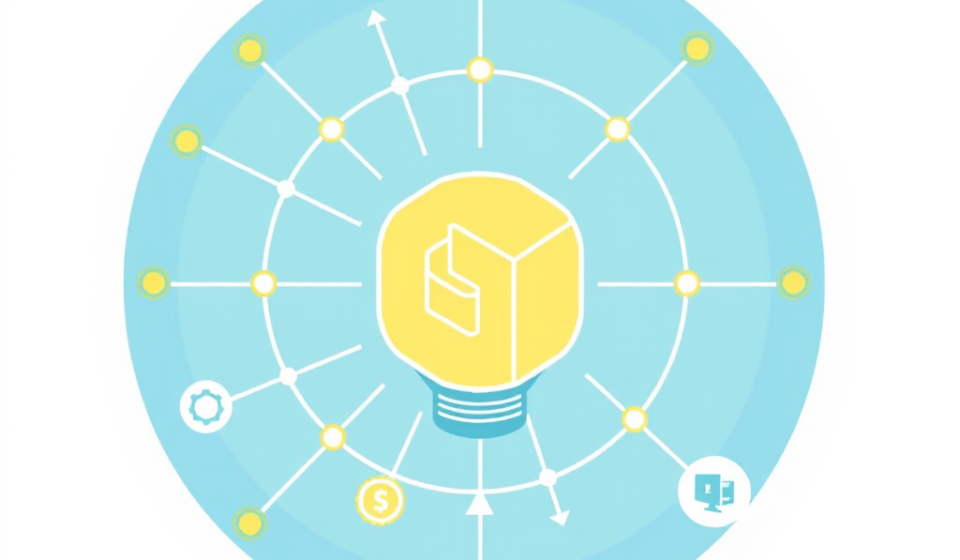

Enterprise data is growing exponentially across disparate platforms. Organizations often struggle because Microsoft connects your data across the enterprise using innovative architectures. Modern IT infrastructure demands robust data fabrics. Consequently, leaders must understand these underlying frameworks.
Understanding How Microsoft Connects Your Data Across the Enterprise
Enterprise data silos plague modern organizations. Teams store information in isolated repositories. Therefore, unified access remains a critical priority for IT directors. Microsoft addresses this challenge through comprehensive integration platforms. These solutions bridge on-premises servers and cloud environments seamlessly. Furthermore, security frameworks protect assets throughout the entire lifecycle.
Organizations must evaluate their current digital maturity. Legacy systems often resist straightforward migration paths. However, modern API-driven architectures simplify connectivity. Businesses can leverage existing investments while adopting cloud-native tools. Security teams monitor these pathways constantly.
Core Architecture: How Microsoft Connects Your Data Across the Enterprise
Cloud infrastructure relies on distributed networks. Microsoft Fabric serves as the primary analytics backbone. It unifies data engineering, warehousing, and business intelligence. Enterprises can query multiple sources without duplicating files. This approach reduces storage costs significantly. Moreover, administrators maintain centralized governance policies effortlessly.
Data governance ensures compliance with global regulations. Automated tagging classifies sensitive files immediately. Access controls restrict unauthorized viewing across departments. Consequently, audit readiness improves dramatically for regulated industries.
Integration Layers and APIs
APIs facilitate communication between disparate software applications. Microsoft Graph acts as a unified programmability model. Developers access user data, files, and emails securely. This integration layer powers modern productivity workflows. Organizations build custom applications with minimal friction.
Security teams enforce strict authentication protocols. OAuth 2.0 and OpenID Connect secure every transaction. Conditional access policies evaluate risk signals in real time. Thus, malicious actors face formidable barriers.
Security, Governance, and Compliance Frameworks
Data protection requires constant vigilance. Enterprises face sophisticated cyber threats daily. Microsoft Purview provides comprehensive compliance solutions. It maps data estates across multi-cloud environments. Security analysts identify vulnerabilities before breaches occur.
Encryption protects information at rest and in transit. Hardware Security Modules safeguard cryptographic keys. Organizations retain full ownership of their encryption keys. Therefore, data privacy remains absolute.
Identity and Access Management Strategies
Identity is the new enterprise perimeter. Microsoft Entra ID manages user credentials securely. Multi-factor authentication stops credential stuffing attacks. Administrators configure role-based access control policies meticulously.
Continuous access evaluation monitors session health. If suspicious behavior arises, access revokes instantly. Enterprises protect critical assets from compromised accounts effectively. For deeper insights, explore our Cybersecurity category.
Threat Intelligence and Monitoring
Security Information and Event Management systems correlate logs. Microsoft Sentinel analyzes petabytes of security telemetry. Machine learning models detect anomalous behavior patterns rapidly. Incident responders mitigate threats before operational disruption occurs.
Automated playbooks accelerate incident response times. Security analysts focus on complex threat hunting tasks. Organizations fortify their overall security posture continuously.
Conclusion
Enterprise data connectivity drives digital transformation success. Modern tools eliminate silos and empower informed decision-making. Organizations must adopt these integrated platforms strategically. Evaluate your data architecture today to unlock future growth potential.