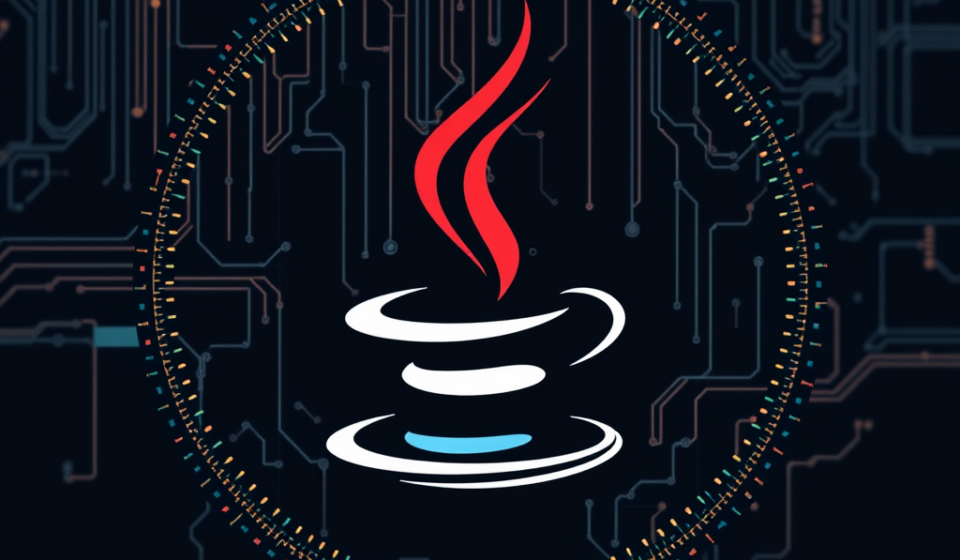

Java 28 starts to take shape, signaling exciting changes for enterprise infrastructure and secure application development. Modern software teams must track these early updates closely. Furthermore, upcoming enhancements will transform how developers write secure, scalable code.
Understanding Java 28 and Infrastructure Security
Enterprise IT infrastructure relies heavily on stable, secure runtimes. As Java 28 starts to take shape, architects evaluate its potential security impacts. Early proposals show promising upgrades for memory safety.
Java 28 Roadmap and Core Features
Predictable release cycles help security practitioners plan migrations effectively. The upcoming version introduces refined garbage collection metrics. Additionally, developers can explore advanced concurrency tools in our Programming category.
Each release tightens runtime boundaries. Engineers expect robust cryptographic default settings. Therefore, vulnerability assessment becomes much simpler.
Impact on Enterprise IT Infrastructure
Upgrading core runtimes reduces long-term technical debt. Security teams mitigate zero-day exploits faster with modern tooling. Performance gains also lower cloud hosting footprints.
Best Practices for Java Migration
Proactive migration planning prevents unexpected production outages. Organizations should test dependency trees against early developer builds. Automated pipelines catch breaking API changes quickly.
Securing Modern Deployment Pipelines
Continuous integration servers must ingest preview builds securely. Code scanners should adopt updated AST rules immediately. Monitoring tools track runtime anomalies during staging tests.
Conclusion
Java 28 starts to take shape, offering powerful tools for secure enterprise systems. IT leaders should review early release notes today. Start planning your transition strategy now to maintain a competitive edge.