Cloudflare Client-Side Security Protects Storefronts Effectively

Client-Side Security is essential for modern e-commerce security because traditional vulnerability scanners frequently fail to detect hidden JavaScript threats.
Modern e-commerce stores rely heavily on third-party scripts. Marketing tags, chat widgets, and analytics tools enrich user experience. However, these third-party integrations expand the attack surface significantly. Threat actors routinely leverage these dependencies to inject malicious code directly into user browsers. When traditional scanners miss the attack, security teams face blind spots. Cloudflare Client-Side Security offers robust visibility and protection.
Understanding the Limitations of Traditional Scanners in Client-Side Security
Why Traditional Scanners Miss Modern Threats
Legacy vulnerability scanners rely heavily on static analysis and known signature matching. They crawl source code or review server-side applications. Unfortunately, these tools are blind to runtime behaviors happening inside the end user’s browser. Threat actors obfuscate their payloads dynamically. They load scripts conditionally based on user geolocations or browser types. Consequently, static scanners report clean bills of health while malicious payloads steal payment card details.
The Rise of Magecart and Digital Skimming
Digital skimming groups, often referred to as Magecart, exploit this visibility gap. They compromise third-party vendor libraries that supply scripts to thousands of storefronts. When a customer visits an online shop, the browser executes the modified script. The script quietly captures credit card data during checkout. Security teams often discover these breaches only after customers report fraudulent charges. This reactive posture damages brand reputation and triggers compliance penalties.
How Cloudflare Client-Side Security Protects Storefronts
Real-Time Visibility Through Continuous Monitoring
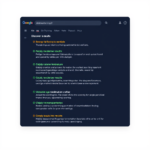
Cloudflare Client-Side Security transforms how organizations monitor browser-based threats. By leveraging Content Security Policy (CSP) and Page Shield capabilities, the platform maps every script interacting with a storefront. Security engineers gain a centralized dashboard detailing script origins, behaviors, and resource connections. This continuous monitoring ensures that any unauthorized script modification triggers immediate alerts. Organizations can finally audit their supply chain dependencies effectively.
Stopping Malicious Campaigns in the Browser
Detection is only part of the equation; active mitigation is vital. Cloudflare actively blocks unauthorized script execution before data exfiltration occurs. Recent research highlights how Cloudflare Client-Side Security finds 4 malicious campaigns targeting vulnerable e-commerce platforms. The system automatically quarantines suspicious behaviors without breaking legitimate storefront functionality. By enforcing granular policies, administrators ensure that only verified scripts access sensitive DOM elements.
Implementing Robust E-Commerce Defense Strategies
Leveraging Modern Standards Like CSP and SRI
Organizations must adopt defense-in-depth strategies to secure their web applications. Content Security Policy headers restrict where scripts load from and where data goes. Subresource Integrity (SRI) hashes guarantee that external scripts remain unaltered during transit. Combining these native controls with advanced edge security platforms creates an impenetrable barrier against client-side attacks. Learn more about securing your infrastructure by exploring our Cybersecurity category insights.
Best Practices for Third-Party Risk Management
Mitigating browser-based risks requires rigorous vendor governance and technical controls. Security teams should inventory all third-party dependencies regularly. Vendors must adhere to strict security baselines and prompt patch management cycles. Furthermore, organizations need to simulate synthetic browser transactions to test runtime defenses. Proactive hardening prevents costly data breaches and protects loyal customers.
Conclusion
Traditional scanners leave critical blind spots across modern digital storefronts. Implementing advanced browser monitoring ensures complete visibility over third-party scripts and stops sophisticated skimming campaigns instantly. Protect your revenue and customer data today by deploying comprehensive runtime security solutions.