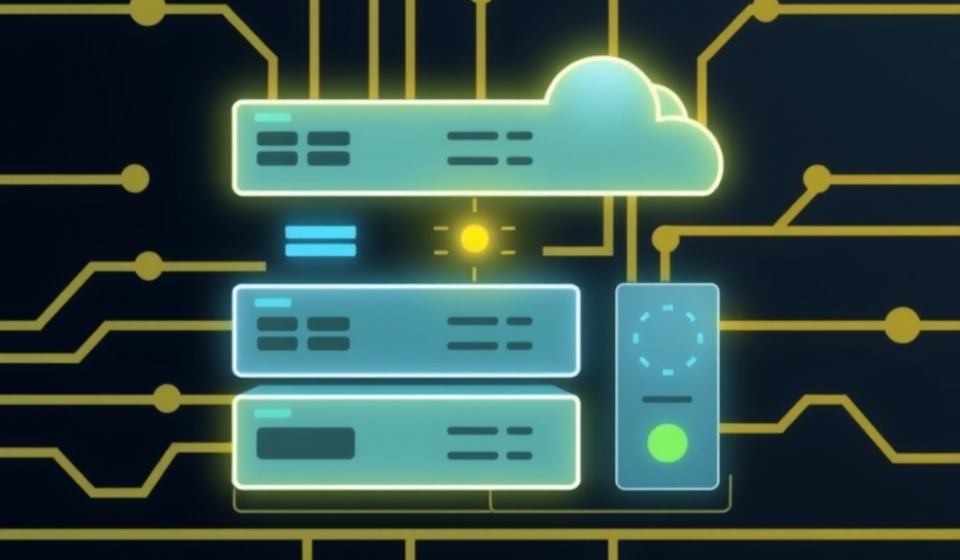

Modern enterprises must AI stack replacement strategies as foundational pillars of resilient IT infrastructure. As artificial intelligence models evolve rapidly, vendor lock-in poses severe operational and security risks.
The Imperative for AI Stack Replacement
Organizations rush to deploy artificial intelligence tools without planning for obsolescence. Vendors change pricing models, deprecate APIs, or suffer catastrophic security breaches. Furthermore, regulatory compliance shifts frequently across global markets. Therefore, enterprise architects need modular designs to swap components effortlessly.
Understanding AI Stack Replacement Vulnerabilities
Many development teams tie their core applications directly to a single proprietary large language model provider. Consequently, upgrading or migrating becomes an expensive, multi-month engineering nightmare. Loose coupling prevents catastrophic lock-in and preserves agility. Furthermore, maintaining abstraction layers isolates your business logic from underlying volatility.
Security practitioners understand that monolithic architectures create massive attack surfaces. When vulnerabilities emerge in a foundational AI framework, patching must happen immediately. If your infrastructure lacks modularity, remediation timelines stretch dangerously. Thus, adopting an AI stack replacement mindset directly strengthens your overall security posture.
Architecting for Modular Interoperability
Building resilient systems requires treating AI models as interchangeable microservices rather than permanent infrastructure. API gateways standardise interactions between your application code and external intelligence providers. When one provider fails, your gateway reroutes traffic instantly.
Designing Abstraction Layers for AI Stack Replacement
Engineers should implement robust adapter patterns across every integration point. These adapters translate uniform internal data formats into provider-specific payloads. Consequently, switching from one foundation model to another requires modifying only a single adapter class. Moreover, unit tests ensure seamless functionality during transitions.
Caching layers also reduce dependency on external APIs while improving performance. Storing frequent queries locally saves operational costs and guards against sudden service outages. Teams using cybersecurity best practices can audit cached data streams effectively. Ultimately, smart caching empowers teams to execute an AI stack replacement without disrupting end users.
Governance, Compliance, and Vendor Agnosticism
Regulatory frameworks demand strict data privacy controls and model explainability. Relying on opaque third-party systems makes compliance audits extremely difficult. Enterprises must retain ownership of telemetry, embeddings, and prompt histories. Keeping data portable ensures you comply with emerging legal mandates.
Securing Data Pipelines During AI Stack Replacement
Data governance teams must enforce strict encryption standards both in transit and at rest. When migrating between intelligence vendors, data leakage represents a critical threat vector. Secure pipelines protect proprietary corporate knowledge from unauthorized exposure during transitions. Furthermore, continuous monitoring helps detect anomalies early.
Risk management also involves evaluating open-source alternatives alongside commercial offerings. Open-source models grant deep visibility into underlying codebases and training weights. Organizations can self-host these models to maintain absolute control over sensitive workloads. Reviewing industry guidelines from sources like InfoWorld on AI stack architecture provides valuable contextual depth for long-term planning.
Operationalising Continuous Migration
Successful IT leaders rehearse migrations before emergencies force their hands. Regular tabletop exercises test how quickly engineering groups can swap out core components. Simulating a sudden vendor shutdown exposes hidden dependencies in your software architecture.
Automating Testing and Validation
Automated integration tests verify output quality across different model versions. Because semantic drift happens quietly, automated benchmarks catch subtle regressions before deployment. Continuous integration pipelines validate replacement components against historical baseline datasets reliably.
Maintaining multi-vendor support from day one eliminates future technical debt. While initial development takes slightly longer, the long-term operational dividends are immense. Businesses survive market shifts because their technical foundations remain adaptable and robust.
Conclusion
Adopting an AI stack replacement strategy safeguards your enterprise against sudden vendor changes and emerging security threats. Prioritise modular design, robust abstraction layers, and data portability today. Start auditing your current integrations and build adaptable architectures that scale securely into the future.


