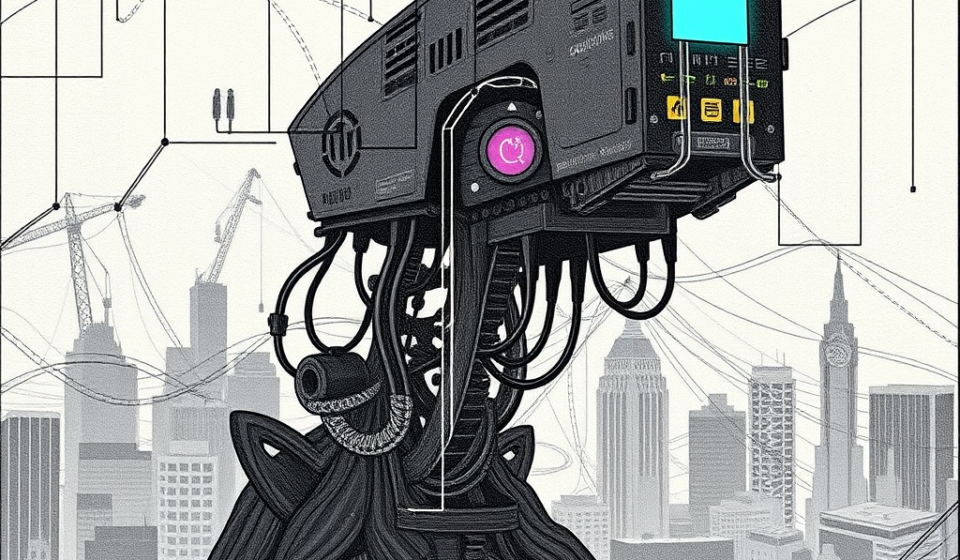

AI demand meets grid capacity as data centers strain power grids globally. Modern enterprise technology faces a severe energy crisis today. Organizations scale neural networks rapidly while infrastructure limitations threaten operational continuity.
Artificial intelligence transforms every industry sector. Compute clusters consume unprecedented amounts of electricity. Grid operators struggle to supply reliable power. Therefore, IT leaders must understand the intersection of machine learning and electrical engineering.
AI Demand Meets Grid Capacity: The Infrastructure Bottleneck
Modern data centers demand continuous megawatts of power. Hyperscale facilities house thousands of GPUs running constantly. This workload surge stresses legacy electrical grids. Consequently, utility companies face unprecedented demand spikes.
Energy constraints now dictate infrastructure expansion. Traditional power distribution networks cannot keep pace. Engineers design advanced liquid cooling systems to manage thermal output. Meanwhile, transmission lines suffer from chronic congestion and aging hardware.
Power Grid Limits on Machine Learning
Machine learning training runs continuously for weeks. Electrical grids operate near maximum capacity during peak hours. Sudden load increases threaten regional grid stability. Utilities occasionally restrict new industrial hookups entirely.
Data center operators must secure dedicated power sources. Many tech giants invest directly in nuclear and solar energy. Reliability remains paramount for enterprise workloads. Downtime costs millions in lost productivity and revenue.
Mitigating Energy Deficits in Modern IT
Smart infrastructure management reduces overall power consumption. Efficient software algorithms require fewer floating-point operations. Developers optimize neural network architectures for lower carbon footprints.
Enterprise architects explore microgrids and local battery storage. These solutions buffer sudden surges from heavy training jobs. Furthermore, regulatory compliance demands greener operational standards across all sectors.
Strategic Solutions for Enterprise Leaders
Forward-thinking organizations audit their energy usage regularly. Cloud providers offer carbon-aware computing schedules. Enterprises can migrate batch jobs to off-peak hours easily.
Security and infrastructure teams collaborate on capacity planning. Cybersecurity protocols must protect smart grid components from attacks. Read more about these challenges in our Cloud Computing category.
Industry collaboration accelerates innovative engineering solutions. For detailed analysis on infrastructure trends, consult the InfoWorld report on grid constraints.
Future Outlook for Power and Compute
The convergence of energy and compute defines modern IT strategy. Hardware manufacturers design ultra-low-power processors. Software engineers prioritize efficiency alongside raw performance.
Policy makers draft new regulations for data center emissions. Grid modernization projects receive substantial government funding globally. Sustainable growth depends on cooperative infrastructure planning.
Actionable Steps for IT Practitioners
Enterprise leaders must evaluate their current energy footprint. Partnering with forward-thinking utilities ensures long-term operational resilience. Continuous monitoring prevents unexpected power bottlenecks.
Implement rigorous power usage effectiveness metrics today. Balance high-performance computing needs with environmental realities. Sustainable innovation secures the future of enterprise technology.
In conclusion, managing infrastructure requires balancing power availability with high-performance computing goals. IT practitioners must prioritize energy efficiency and explore renewable microgrid solutions immediately to ensure long-term operational resilience and business continuity.